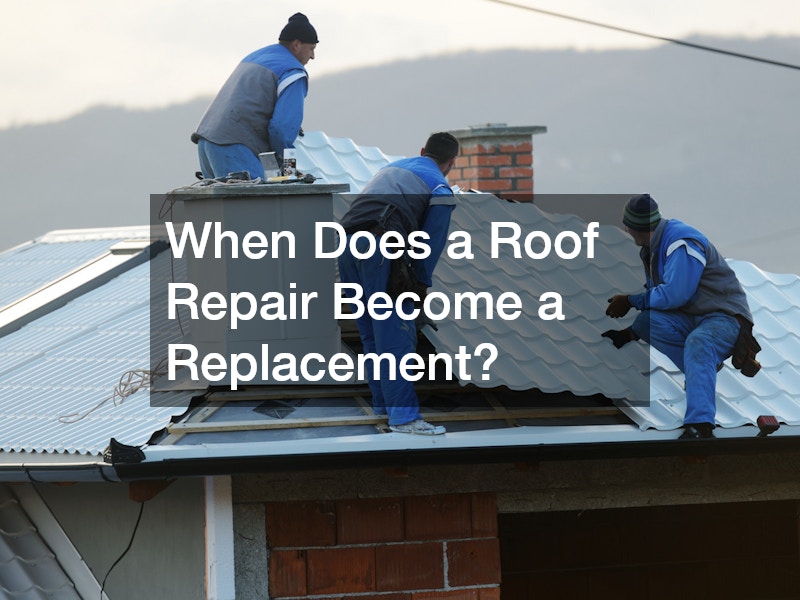
Roof repair is an essential maintenance task that every homeowner will face at some point. As roofs age, they can suffer from a variety of problems such as leaks, missing shingles, or weather-related damage. Addressing these issues promptly can prevent more extensive damage and extend the life of the roof. In simpler terms, roof repair involves fixing specific problem areas without replacing the entire structure. Homeowners should be diligent in scheduling regular inspections to catch problems early and keep repair costs low.
A competent roofing contractor can assess the situation and determine if a repair will suffice. Small issues like loose or damaged shingles, minor leaks, or debris damage can often be resolved with a simple repair. For instance, replacing a few shingles or resealing a seam can be a quick and cost-effective solution. However, if these minor issues are ignored, they can lead to bigger problems that may necessitate a full roofing replacement. Thus, timely roof repair not only saves money but also helps in maintaining the structural integrity of the home.
Sometimes, homeowners are tempted to undertake roof repairs themselves. While it might seem cost-effective, this can pose risks, especially if the individual lacks roofing expertise. A poorly executed repair can exacerbate the damage, leading to more costly repairs or even a complete roofing replacement. Professional roofers have the training and tools necessary to conduct repairs safely and efficiently. Therefore, it is often wiser to defer to their expertise rather than risk further damage or personal injury.
Signs That Indicate Roof Replacement Might Be Necessary
There are several warning signs that might suggest a roofing replacement is necessary rather than a simple repair. One of the most evident signs is extensive water damage, such as widespread leaks throughout the home. If you notice water stains on your ceilings or walls, this could indicate that the roof’s underlayment is failing, allowing moisture to seep in. In such cases, patching up leaks is only a temporary solution and a complete roofing replacement might be the only way to completely rectify the problem. This approach prevents recurring leaks and protects your home’s interior from further damage.
Another factor to consider is the age of the roof. Most roofing materials come with a life expectancy of 20-25 years, depending on the material used. If your roof is nearing the end of its lifespan, frequent repairs may no longer be cost-effective. While repairs might still temporarily fix issues, it’s often wiser to invest in a whole-roof replacement when the material is old and deteriorating. You not only avoid constant maintenance costs but also enhance your home’s overall efficiency and curb appeal.
Visible structural damage is another indicator that a roofing replacement is necessary. For example, if the roof is sagging or you notice visible cracks and warping, it is likely that the structural integrity is compromised. This kind of damage is often irreversible and even potentially dangerous. In such cases, a complete roofing replacement is essential to ensure the safety and stability of the home. Investing in a new roof will address these major structural concerns and provide peace of mind for years to come.
Evaluating the Cost Implications of Repair versus Replacement
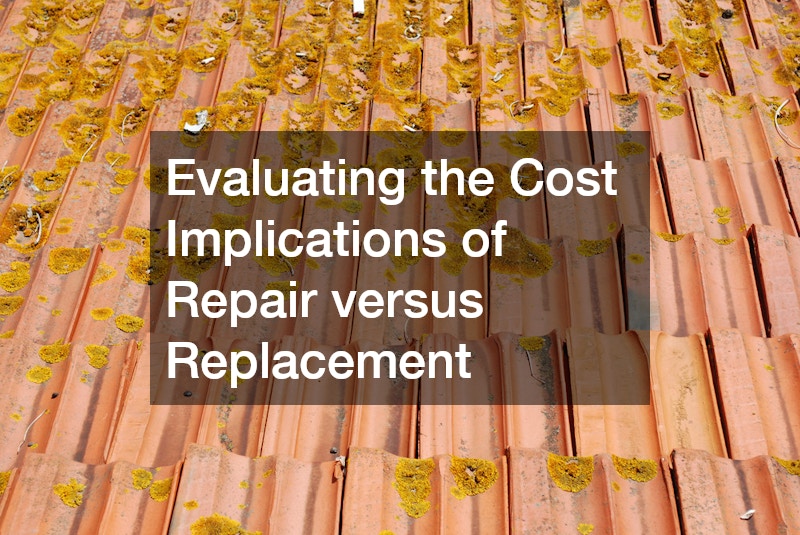
Cost is often the determining factor for homeowners when deciding between roof repair and roofing replacement. It’s important to weigh the long-term benefits against the immediate expenses. While repairs are initially cheaper, they can add up over time if issues persist or new problems arise. For many, investing in a roofing replacement may be more economical in the long run, as it eliminates the need for frequent repairs and can increase the value of the home. Additionally, new roofs often come with warranties that provide protection against unforeseen future issues.
The cost of materials and labor for roofing projects has increased gradually over the years. This makes timely decision-making crucial to avoid unnecessary expenses. Homeowners should work with reputable roofing contractors to get detailed estimates for the scope of work involved. Understanding these costs can help homeowners budget effectively and decide if a roofing replacement is more feasible than continued repairs. Financial planning and comparing repair versus replacement costs will guide you in making an informed decision.
It is also essential to consider insurance implications when deciding between repair and replacement. Sometimes, insurance companies will cover a large portion of the total replacement if the damage is due to an accident or unexpected event, while they may not be as willing to pay for recurring repairs. Consulting with your insurance provider can clarify your financial responsibilities and potentially save you significant out-of-pocket costs. Having a full understanding of both costs and coverage will aid in making the most financially sound decision for your roofing needs.