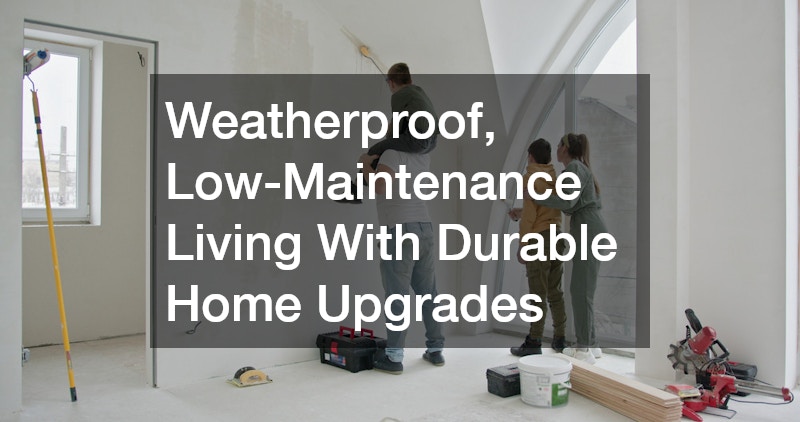
A home is likely the single largest investment you will ever make, yet it is constantly under siege. From torrential downpours and baking solar heat to the daily wear and tear of muddy boots, spilled coffee, and slammed doors, your property is perpetually fighting against time and the elements. For decades, the traditional approach to homeownership was reactive: you waited for something to break, leak, or rot, and then you paid handily to fix it.
Today, savvy homeowners are shifting toward a proactive philosophy focused on durability upgrades. By investing in high-performance materials and advanced engineering before disaster strikes, you can effectively future-proof your living space. This comprehensive guide moves beyond superficial cosmetics to explore how you can fortify your home from the foundation to the rooftop. The goal is simple: to create a structure that requires less maintenance, withstands extreme environmental stress, maintains its peak market value, and offers you lasting peace of mind.
Shielding Your Home from the Elements
The exterior envelope of your house is its first line of defense. If moisture, wind, or pests breach this outer barrier, the structural integrity of your entire home is compromised. Fortifying this shell requires an investment in materials that do not just look good on day one, but actively repel environmental stressors for decades.
When evaluating options for your exterior walls, durability should take precedence over upfront cost. Traditional wood siding is beautiful but highly susceptible to rot, insect damage, and frequent paint peeling. Modern alternatives offer significantly better lifespans with a fraction of the maintenance.
- Fiber-Cement Panels: Composed of sand, cement, and cellulose fibers, this material is non-combustible, immune to termites, and does not rot when exposed to chronic moisture. It holds paint two to three times longer than natural wood.
- Engineered Wood: Manufactured with specialized binders and zinc borate, engineered alternatives resist fungal decay and termites while offering high impact resistance against hail.
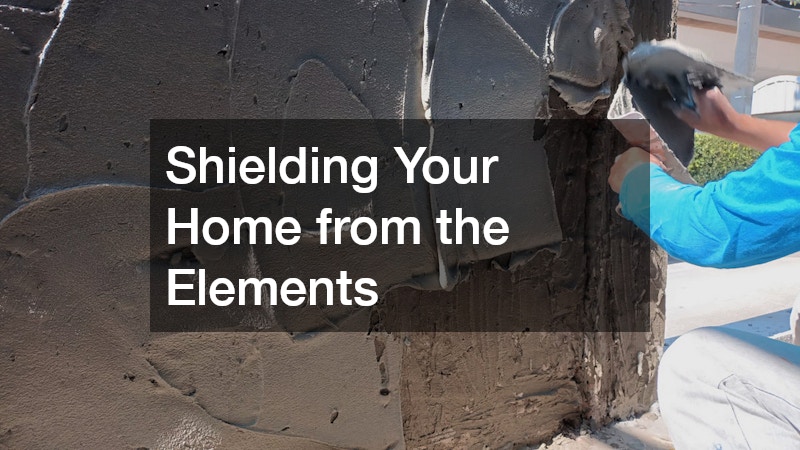
- Advanced Stucco Applications: Traditional stucco can crack as a house settles, allowing water to seep into the framing. Upgrading to an acrylic or elastomeric stucco finish adds flexibility, allowing the material to stretch and bridge hairline fractures.
When hiring professionals for home siding replacement or specialized stucco services, the critical detail lies in the water-resistive barrier (WRB) installed underneath. Ensure your contractor utilizes a high-quality house wrap and integrates robust flashing techniques around window sills, door frames, and roof-to-wall intersections to prevent hidden water intrusion.
High-Performance, Long-Lasting Roof
A roof failure can destroy an otherwise pristine interior in a matter of hours. Upgrading your roof means looking beyond standard 3-pin asphalt shingles to materials and installation practices engineered for extreme weather resistance.
- Material Upgrades: Consider upgrading to architectural laminate shingles, which offer wind warranties up to 130 mph, or standing-seam metal roofing, which can last 50 years or more and easily sheds heavy snow loads.
- Underlayment Defense: Insist on a self-adhering ice and water shield membrane. This rubberized asphalt barrier should be applied at least six feet up from the eave edges, in all valleys, and around chimneys to prevent water from backing up under shingles during ice dams or severe storms.
- Intelligent Ventilation: A durable roof must breathe. Inadequate attic ventilation bakes shingles from the inside out in the summer and causes ice dams in the winter. Ensure a balanced system of soffit intake vents and ridge exhaust vents is utilized.
When vetting local roofers, look for factory-certified contractors who can offer extended manufacturer warranties. Ask specific questions about how they intend to handle the ventilation calculations and what specific flashing materials they will use in high-risk valleys.
Engineering Beauty to Last
Once the exterior is secure, the focus shifts inward. A durable interior design focuses on high-traffic zones where daily life inflicts the most punishment. By selecting materials engineered for resilience, you can avoid the frustrating cycle of premature replacement.
Floors endure a relentless barrage of friction, impact, moisture, and UV exposure. Upgrading your flooring is less about aesthetics and more about selecting a material matched to your household’s specific lifestyle demands.
- Luxury Vinyl Plank (LVP): This option offers exceptional 100% moisture resistance and high scratch or impact resistance, with an expected lifespan of 20 to 25 years.
- Engineered Hardwood: This material offers moderate moisture resistance along with moderate scratch and impact resistance, providing an expected lifespan of 30 to 50 years.
- Porcelain Tile: This heavy-duty choice features exceptional 100% moisture resistance and exceptional scratch or impact resistance, resulting in a lifespan expectancy of over 50 years.
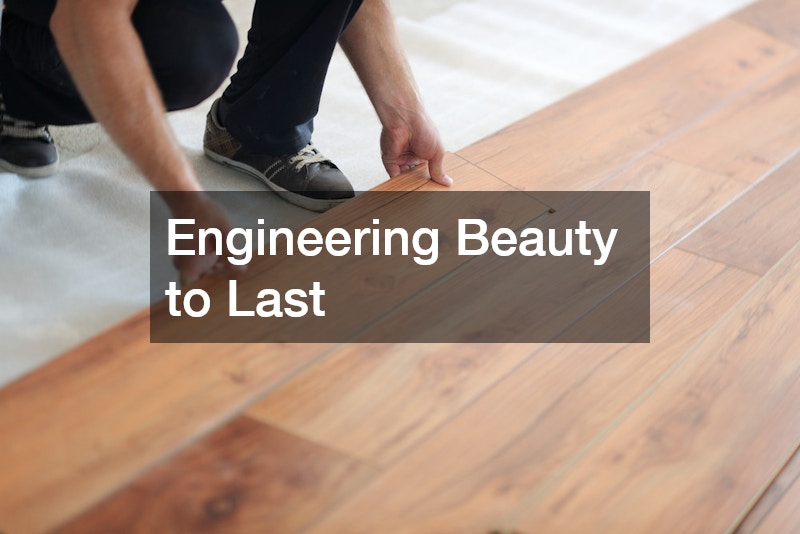
Achieving longevity depends entirely on what lies beneath the surface. Skipping proper floor preparation leads to shifting, clicking, and premature joint failure. Utilizing certified flooring installation services ensures that the subfloor is perfectly flat, moisture barriers are correctly placed, and appropriate expansion gaps are left around the perimeter of the room.
Timeless, Hard-Working Culinary Space
The kitchen is both the heart of the home and a high-hazard zone for moisture, heat, and impact. A durable kitchen design minimizes vulnerable joints, avoids porous materials, and relies on structural integrity.
- Engineered Quartz or Porcelain Countertops: Unlike natural marble or granite, engineered quartz does not require annual sealing, is completely non-porous, and resists staining from acidic foods like wine, lemon juice, and coffee.
- Solid Wood Cabinetry: Avoid cabinets constructed from cheap particleboard, which swells and disintegrates when exposed to minor plumbing leaks. Opt for plywood boxes with solid hardwood frames and drawer glides rated for heavy weight capacities.
- Layout and Zoning: Space your appliances intelligently. Keep high-heat zones separate from refrigeration units to reduce mechanical strain, and ensure that areas surrounding the sink are backed by a durable tile backsplash to protect the drywall from water degradation.
Power and Climate Control
A truly durable home functions flawlessly behind the scenes. The mechanical, electrical, and thermal control systems form the invisible infrastructure that keeps your environment safe, efficient, and comfortable. Upgrading these systems reduces utility bills and prevents catastrophic utility failures.
Modern households demand vastly more electricity than homes designed just a few decades ago. Between electric vehicles, induction cooktops, and high-powered climate systems, overloading an outdated electrical system is a major safety hazard.
- 200-Amp Panel Upgrades: If your home still operates on a 60-amp or 100-amp panel, upgrading to a 200-amp service provides the headroom necessary to run modern appliances concurrently without tripping breakers or overheating wires.
- Whole-House Surge Protection: A single lightning strike or utility grid spike can instantly destroy tens of thousands of dollars worth of smart appliances, HVAC control boards, and personal electronics. Installing a Type 2 surge protective device directly into your main electrical panel clamps dangerous voltage spikes before they enter your living space.
- Arc-Fault Circuit Interrupters (AFCIs): These advanced breakers detect unintended electrical arcs—the primary cause of residential electrical fires—which standard breakers ignore.
Because electrical work carries severe safety risks, these upgrades must be handled by a licensed, insured electrician. A professional can execute a comprehensive load calculation for your property, ensure your grounding system meets modern safety codes, and safely install intelligent power management tools.
Optimized Climate Control
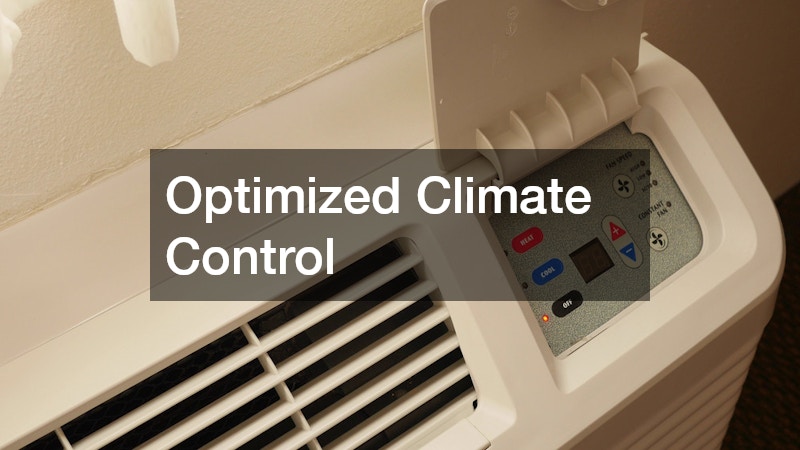
Your heating and cooling equipment works harder than almost any other system in your home. Upgrading to a highly durable, resilient climate control setup requires looking at advanced mechanical engineering and smart automation.
- Standard HVAC Systems: These traditional units operate on a binary cycle, running at either 100% power or shutting off completely. This constant on-and-off cycling causes high mechanical wear and tear alongside frequent temperature swings.
- Variable-Speed Technology: This advanced upgrade modulates output continuously at lower, ultra-efficient speeds (such as 30% or 45% power). This smooth operation ensures steady interior comfort and significantly reduces component degradation.
- Dehumidification Integration: High humidity creates a breeding ground for mold, mildew, and wood rot. Integrating a whole-home dehumidifier into your central system helps maintain indoor relative humidity between 30% and 50%, protecting both your respiratory health and your home’s framing.
- Zoned Climate Management: Modulating dampers can direct conditioned air only where it is needed, preventing your primary equipment from overworking to cool an unused upstairs bedroom or sunroom.
To maximize your return on investment, partner with established HVAC services providers to design a system sized precisely for your home’s insulation profile. Avoid the temptation to oversize the unit, as a system that is too large will short-cycle, leading to premature compressor failure and poor humidity control.
Air and Water Flow
Proper fluid dynamics—both air and water—are critical to a home’s longevity. When air stalls or water pools, degradation happens rapidly. Managing these pathways keeps your home healthy, dry, and efficient.
Your home’s ductwork acts as the respiratory tract of the building. When ducts are clogged, leaky, or dirty, your heating and cooling equipment must strain to push air through the system, driving up energy costs and shortening the lifespan of your equipment.
- Duct Sealing: Up to 30% of the air moving through a typical home’s duct system is lost to leaks, holes, and poor connections. Sealing these gaps with mastic or specialized aerosol sealants ensures that conditioned air actually reaches its destination.
- High-Efficiency Filtration: Swap out cheap fiberglass filters for pleated filters with a Minimum Efficiency Reporting Value (MERV) rating of 8 to 11. These catch fine dust, pet dander, and mold spores before they can coat the sensitive internal coils of your heating and cooling systems.
- System Cleansing: Over time, heavy dust buildup, pet hair, and moisture can create a thick layer of debris inside your ventilation system, creating a breeding ground for biological growth.
Scheduling comprehensive air duct cleaning services every few years removes these restrictive blockages, restoring optimal balanced static pressure to your ventilation system and allowing your mechanical components to operate within their engineered parameters.
Prevent Costly Water Damage and Backup
Water is a homeowner’s greatest enemy. A single backed-up drain or ruptured pipe can cause thousands of dollars in structural damage to flooring, drywall, and cabinetry in mere minutes.
- Smart Leak Detectors: Install wireless, battery-operated moisture sensors beneath water heaters, washing machines, and sinks. Advanced models can be paired with an automatic shut-off valve on your main water line to isolate a leak the second it is detected.
- Cast Iron or Heavy-Duty PVC Waste Lines: Replace aging, corroded galvanized or thin-walled drain lines with scheduled heavy-gauge PVC or insulated cast iron to eliminate the risk of pinhole leaks and structural cracks.
- Preventative Pipe Maintenance: Avoid relying on harsh chemical drain cleaners bought at the store. These caustic liquids generate heat and chemical reactions that corrode metal pipes and soften PVC joints over time.
- Professional Drain Cleaning Service: To ensure your waste management system remains completely unobstructed, schedule a comprehensive checkup and drain cleaning service. Utilizing techniques like hydro-jetting clears away stubborn scale buildup and invasive tree roots before they cause an emergency backup.
Surface Protection
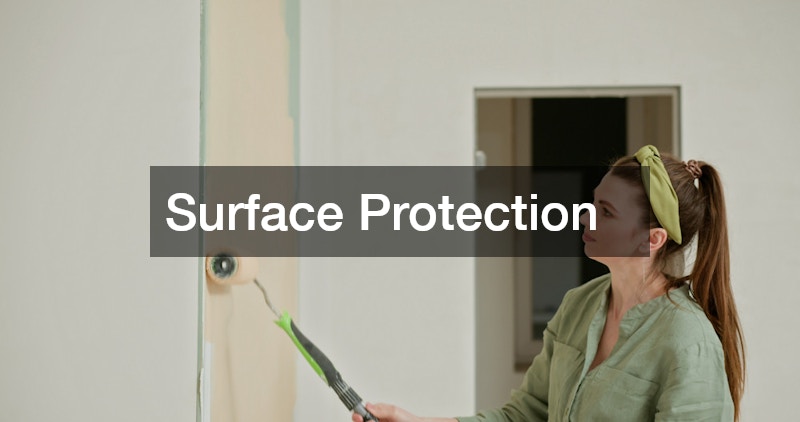
The final layer of a durable home involves coatings and sealants. Far from being a purely cosmetic choice, high-quality finishes act as a sacrificial shield, absorbing UV radiation, resisting chemical staining, and shedding moisture before it reaches underlying structural substrates.
Applying a fresh coat of paint is one of the most common home improvement projects, but prioritizing durability changes how you approach the process entirely. The difference between a coating that lasts three years and one that lasts fifteen lies in the chemistry of the product and the thoroughness of the application.
- Advanced Acrylic Polymers: For exterior surfaces, look for high-build 100% acrylic latex paints. These coatings remain flexible after drying, allowing them to expand and contract during extreme seasonal temperature swings without cracking or flaking.
- Scuff-Resistant Interior Finishes: In high-traffic mudrooms, hallways, and stairwells, utilize single-component urethane-modified acrylic paints. These formulas cure to a highly dense, washable finish that resists burnishing when scrubbed clean of scuffs and stains.
- Substrate Preparation: Never paint over dirty, damp, or flaking surfaces. A durable finish requires meticulous power washing, sanding, scraping, and application of specialized primers to ensure maximum chemical adhesion.
When interviewing regional painting companies, ask for a detailed breakdown of their preparation process. A quality contractor spends 75% of their time on prep work and only 25% applying the topcoat, guaranteeing a finish that preserves your wood, stucco, or drywall for the long haul.
Building a durable home is a continuous journey of intentional choices. While choosing high-performance upgrades often requires a higher upfront financial investment, the long-term returns are undeniable. By systematically addressing your home’s exterior shell, high-traffic surfaces, electrical systems, climate control equipment, air quality, and plumbing lines, you effectively insulate yourself from the stress of sudden, catastrophic breakdowns.
When planning your upcoming home improvement projects, prioritize upgrades based on structural vulnerability. Fix the roof and seal the foundation before investing in premium interior finishes. By taking care of the fundamental systems that protect the structure first, you ensure that every subsequent upgrade you make is built upon a rock-solid, permanent foundation.