
The exterior of your property acts as the cover of a book, setting the definitive tone for everything that lies within. Long before a visitor, a neighbor, or a potential buyer ever steps across your front threshold, they have already formed a strong, lasting impression of your entire home based solely on its curb appeal. A beautifully designed and meticulously maintained landscape signals to the world that the home is deeply cherished, structurally sound, and cared for with pride. Conversely, a chaotic, overgrown, or neglected yard can instantly drag down the visual appeal of even the most stunning architectural masterpiece.
Beyond the immediate emotional and aesthetic benefits, investing in your property’s exterior layout is one of the smartest financial decisions a homeowner can make. Real estate data consistently shows that strategic landscaping upgrades yield some of the highest returns on investment in the home improvement industry, occasionally boosting a property’s overall market value by up to 15%.
This comprehensive guide provides you with a practical roadmap to systematically clean up your lot, manage your canopy, establish a vibrant green lawn, and frame your boundaries, ensuring a smooth, highly rewarding transformation.
Clearing Overgrown Undergrowth and Hidden Ground Obstacles
Reclaim Lost Acreage and Level the Subsurface Profile First
When you step outside to plan a major landscape modernization, it is easy to get caught up in choosing colorful flowers, selecting decorative mulch, or shopping for accent lighting. However, before you can build a beautiful new environment, you must clear away the historical clutter and structural hazards that are currently hiding your property’s true potential. Over years of neglect, suburban lots can easily become choked by dense brush, creeping vines, invasive weeds, and wild saplings that crowd out desirable plants and shrink the usable size of your yard.
Tackling this wild growth requires an aggressive, systematic approach to clearing out space. Before you pick out new plants, a thorough round of land clearing is essential to strip away choking vines and expose your property’s true layout. Removing this thick curtain of chaotic undergrowth instantly expands your lines of sight, allowing you to see the natural slopes, contours, and sunny patches of your terrain. This initial clearing phase gives you a blank canvas to accurately plan your future garden beds, stone walkways, and functional entertainment zones.
As you clear away the surface debris, you must also look downward and address the hidden hazards lurking just beneath the soil line. Leftover tree bases from past storms do more than just look ugly; they rot slowly over decades, creating soft sinkholes in your yard and serving as a prime nesting ground for destructive subterranean termites. Investing in a permanent stump removal process prevents underground fungal growth and ensures your lawn mower won’t hit a hidden root. Grinding these remnants deep below the grade allows you to level the soil profile completely, paving the way for smooth turf or seamless hardscaping installations.
- Essential steps for preparing your soil profile for layout changes:
- Cut back dense brambles and vines using heavy-duty brush cutters or specialized loppers.
- Dig out the persistent root balls of invasive weeds to prevent them from choking future plantings.
- Rake away the accumulation of old, diseased leaf litter and decaying twigs that harbor garden pests.
- Grade the soil using a heavy steel rake to ensure that surface water flows naturally away from your foundation.
Safely Managing Large Structural Canopy Elements
Assess Overhead Hazards and Remove Unstable Forest Growth
With the ground-level brush cleared away, you can shift your gaze upward to evaluate the health and safety of your large timber. Mature trees are an absolute treasure for a suburban property, providing cooling shade, architectural scale, and a timeless connection to nature. However, a dead, dying, or severely diseased tree is a major liability. A single severe windstorm or heavy ice event can snap unstable limbs, sending heavy timber crashing down onto your roof, your vehicles, or your family’s outdoor living spaces.
Evaluating your canopy requires a careful inspection of each tree’s trunk, bark, and branch distribution. Look for clear red flags of internal structural failure, such as large cracks in the main trunk, peeling sections of bark, hollow cavities, or brackets of wood-destroying fungi growing around the base of the roots. If a tree fails to produce leaves on its upper crown during the peak spring growing season, it is a strong indication that the internal vascular system has collapsed, meaning the wood is rapidly becoming brittle and unpredictable.
Dropping massive timber is incredibly dangerous work that should never be attempted by an untrained homeowner with a retail chainsaw. When a massive oak begins leaning precariously toward your power lines, hiring an insured tree removal company is the only safe option. These professionals utilize advanced rigging gear, aerial lifts, and heavy-duty wood chippers to systematically dismantle a hazard from the top down, protecting your home from accidental impact. Proactively tackling deadwood eliminates the terrifying need for an emergency tree removal service during a severe midnight thunderstorm, saving you from expensive structural repairs and stressful emergency insurance claims.
Shaping Existing Foliage for Health and Sunlight

Clean Up the Canopy Line to Let Light Flood Your Turf
Not every large tree on your lot requires complete extraction. In most cases, your existing trees simply need targeted structural care to transform them from overgrown, unkempt liabilities into elegant focal points that enhance your home’s architecture. When a yard is crowded by dense, unmanaged branches, it blocks natural sunlight from reaching the ground, leaving your lawn looking thin, patchy, and damp, which creates an ideal environment for moss and mildew.
Shaping your trees involves lifting the lower canopy and thinning out crowded interior branches to allow filtered sunlight and fresh air to pass through freely. Removing the lower third of heavy, low-hanging limbs opens up clear, unobstructed views of your home from the street, allowing your front porch, windows, and main architectural lines to stand out beautifully. This simple adjustment creates an open, welcoming feel that instantly modernizes the look of an older suburban lot.
Maintaining your trees’ structural health also plays a vital role in protecting your property over the long run. Regular tree pruning helps dictate how a young sapling grows, establishing a balanced canopy shape that looks intentional and elegant. It keeps branches away from your siding and gutters, preventing squirrels and roof-damaging pests from accessing your home. Furthermore, routine tree trimming cuts away dead branches before they fall, while instantly making an overgrown front yard look neat and clean. This preventative maintenance ensures that wind can pass through the canopy smoothly during heavy storms, reducing the risk of a catastrophic break.
- Key targets to look for during a seasonal canopy cleanup:
- Crossed or rubbing branches that create open wounds in the bark, where disease can enter.
- Water sprouts and suckers grow vigorously around the base of the trunk that drain vital nutrients.
- Heavy limbs that hang directly over your roof line, chimney, gutters, or driveway.
- Diseased or insect-damaged branches could spread infection to the rest of your healthy foliage.
Establishing a Refreshed Green Foundation
Lay Down a Vibrant, Weed-Free Carpet Across Your Main Lawns
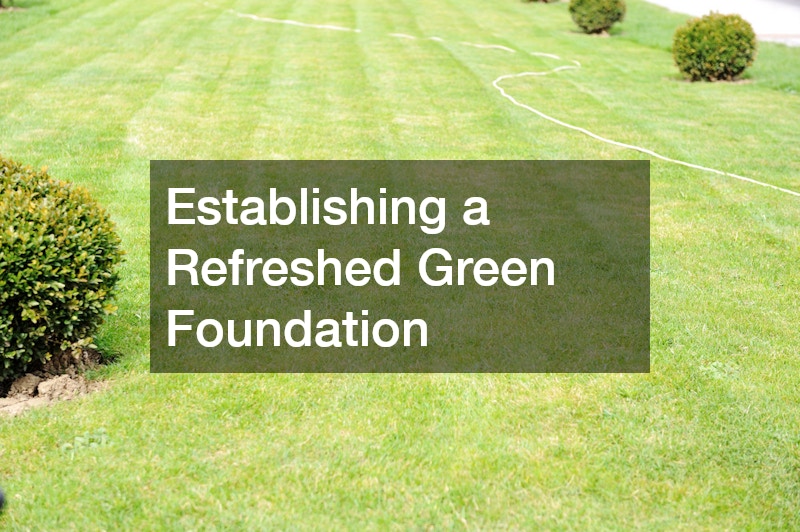
Once your canopy is managed and sunlight can finally reach the soil, you can focus on the most visible component of your home’s curb appeal: your lawn. The lawn serves as the foundational canvas for your entire landscape design. You can spend thousands of dollars on beautiful flowerbeds and exotic shrubs, but if those elements are framed by patchy, yellow, or weed-choked dirt, the overall impact will be completely lost. A thick, vibrant, and uniform emerald-green lawn acts like a luxurious carpet, tying your entire property together.
If your current lawn is beyond the point of simple spot treatments, executing a comprehensive overhaul is the best path to achieving a picture-perfect look. Executing a flawless lawn installation requires deep soil prep so the delicate roots can lock into the earth without drying out. You will need to rototill the top layer of compacted dirt, clear away lingering stones, and work in a generous layer of nutrient-rich organic compost to create a hospitable bed for fresh turf growth.
Before you roll out your new sod or spread high-quality seed across your prepared soil bed, make sure you have completely addressed any remaining underground obstructions. It is a smart idea to coordinate with local tree services to grind down remaining roots before you roll out fresh sod over the dirt. If you skip this step, those buried roots will continue to rot beneath your new lawn, causing uneven settling, shifting, and patches of dead, nutrient-deprived yellow grass a few months down the road. Once your ground is level and free of roots, establishing a strict, automated watering routine will help your new turf develop a deep, drought-resistant root network.
Structuring Perimeters and Defining Your Garden Footprint
Frame Your Boundaries and Hire Specialists for Complex Earthworks
The final step in maximizing your property’s curb appeal involves adding structural definitions and hardscape elements that draw the eye and create a clear sense of visual order. Without distinct borders, a landscape can look loose and unorganized. By introducing clean perimeter lines, defined garden footprints, and structured walkways, you guide a viewer’s gaze through your yard, accentuating your home’s best features while cleanly masking less attractive areas like utility meters or trash storage zones.
The boundaries of your yard offer a fantastic opportunity to introduce contrasting textures and materials that complement your home’s architectural style. Installing premium wood fencing creates a crisp background frame that contrasts beautifully with green shrubs and bright flowers. Whether you choose a classic white picket style for a traditional look or clean horizontal slats for a modern feel, a well-built fence establishes a neat boundary line, provides valuable privacy for your family, and instantly polishes the perimeter of your estate.
- High-impact design elements to include in your perimeter layout:
- Deep, sweeping garden beds bordered by natural stone, brick pavers, or thick steel edging.
- A layer of dark, organic mulch to suppress weeds, retain moisture, and create a striking color contrast.
- Interlocking concrete pavers or natural flagstone paths that connect your driveway to your front entrance.
- Strategic low-voltage landscape lighting to highlight your mature trees and architectural details at night.
While simple garden borders and mulch laying can be a fun weekend project for a handy homeowner, large-scale structural earthworks and complex grading changes require professional expertise to execute safely. A licensed landscaping contractor can precisely slope your soil to prevent water pooling near your foundation while creating stunning stone pathways. These experienced professionals have the heavy equipment and training needed to build sturdy retaining walls, handle proper drainage systems, and lay down flawless stone masonry that will look beautiful and function perfectly for decades without shifting or eroding.
Designing Low-Maintenance Plant Palettes
Select Native Flora and Group Elements by Their Hydration Needs
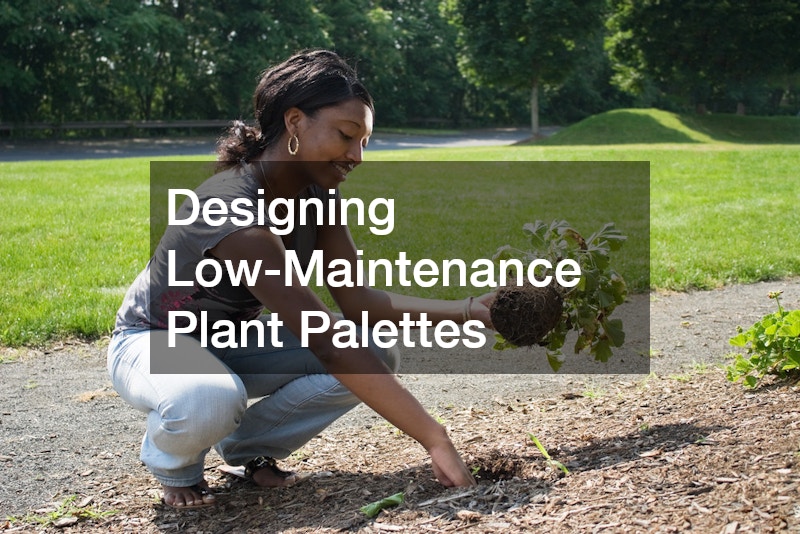
With your hardscaping structures, green lawn, and clean borders fully established, you can finally complete your curb appeal transformation by introducing curated plant selections to your new garden beds. The secret to a successful, long-lasting planting design is choosing options that deliver year-round visual interest without demanding hours of grueling maintenance every weekend. Many homeowners mistakenly fill their beds with delicate, exotic plants that struggle to survive seasonal changes, leading to a constant cycle of dead plants and wasted money.
To avoid this pitfall, focus your plant palette primarily on robust native species that are naturally adapted to your local climate, rainfall patterns, and soil conditions. Native perennial flowers, ornamental grasses, and structural evergreen shrubs require far less supplemental watering, minimal fertilizer, and are naturally resistant to local pests and diseases. When organizing your new plants inside your garden beds, practice the art of grouping elements by their specific sunlight and water needs. Placing moisture-loving plants together in low-lying zones while positioning drought-tolerant varieties on sunny, well-draining slopes ensures that your irrigation system operates with maximum efficiency.
To create an eye-catching display that looks great in every season, arrange your beds using a multi-tiered layer system. Position tall structural evergreens, like boxwoods or arborvitae, at the very back of your beds against your home’s siding or fence lines to establish a permanent green backdrop that lasts through the winter. In the middle tier, introduce mid-sized deciduous flowering shrubs and ornamental grasses that bring texture and movement to the yard. Finally, fill the front borders with a rotating mix of low-growing perennial flowers that offer bright pops of color from spring through autumn. This layered approach creates an elegant look that changes with the seasons, keeping your home’s exterior looking vibrant and organized all year round.
Conclusion
Following through with a professional lawn installation and defining your boundaries with high-quality fencing and hardscape borders establishes a clean, modern aesthetic that permanently boosts your pride of ownership and your property’s market value. Take a proactive look at your front yard today, visualize the clean lines your property is capable of showcasing, and start planning your step-by-step path to creating the most beautiful home on the block.