
Owning a luxury estate is a rare privilege, but it also carries significant asset management responsibility. Unlike standard residential properties, high-end estates represent a sophisticated blend of specialized architecture, custom finishing materials, and high-capacity infrastructure. These physical assets operate much like complex commercial facilities, requiring a level of care that goes far beyond addressing issues as they arise. When maintenance is purely reactive, subtle deterioration behind walls or under ground levels can quietly compound into six-figure restoration projects and permanent structural depreciation.
Protecting a multi-million-dollar residential asset demands an institutional mindset. Long-term property value relies on an ongoing framework designed to preserve both visible aesthetics and invisible structural components. By treating estate upkeep as a proactive strategy rather than an occasional chore, estate managers and owners safeguard their living environments, protect indoor art and architectural investments, and ensure the property retains maximum resale value over decades.
Protecting Structural Integrity and Exterior Enclosure
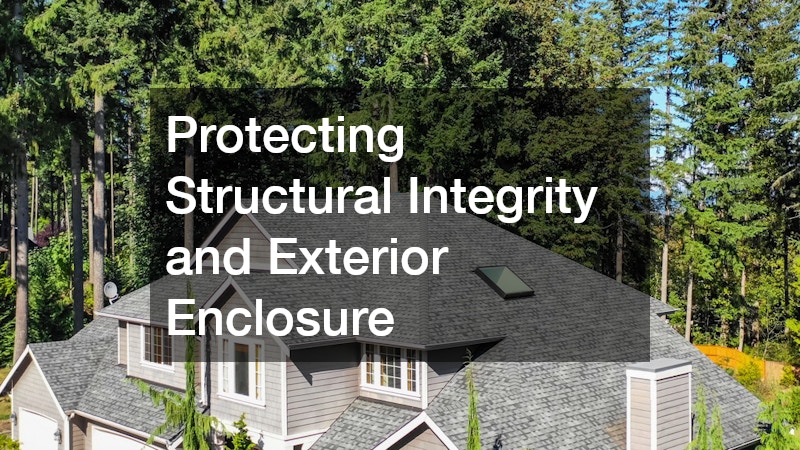
The building envelope serves as the first line of defense against environmental elements. High-end residences frequently incorporate complex rooflines, custom architectural stonework, delicate stucco, and specialized exterior cladding. Because climate conditions continuously stress these materials, small breaches in the exterior shell can lead to extensive interior damage long before any evidence appears on primary living area walls.
Establish a Bi-Annual Moisture Barrier and Shell Inspection Routine
Consider an estate on a coastal bluff where winter storms batter the northern elevation year after year. To the untrained eye, the heavy slate tiles and copper flashing might appear pristine. However, micro-expansion from freeze-thaw cycles can slowly lift flashing away from stone chimneys, allowing water to trickle behind the moisture barrier. By the time damp spots appear on interior plaster ceilings, framing timber may already be compromised.
Preventing structural intrusion requires systematic evaluation. High-value home care relies on establishing formal, twice-yearly envelope audits with qualified specialists. Bringing in a licensed roof repair contractor allows property managers to detect subtle tile shifts, failed sealant joints, and copper valley degradation early. These professionals utilize thermal imaging and aerial drone surveys to pinpoint moisture retention without risking damage to delicate roofing materials.
Executing minor roofing repair long before water penetrates living zones preserves custom interior finishes and avoids invasive framing restoration. In addition to professional inspections, estate grounds teams should maintain clear drainage channels by clearing leaves from scuppers, hidden gutter systems, and downspouts immediately following significant weather events.
Preserve Custom Exterior Cladding Against Harsh Climate Elements
Exterior finishes require targeted maintenance programs customized to their specific material profiles. Natural stone, architectural brick, and high-grade wood cladding react differently to moisture, humidity, and atmospheric pollutants. Applying the wrong cleaning method or neglecting annual joint maintenance can severely degrade these materials over time.
- Audit all exterior expansion joints, window perimeter sealants, and stone caulk lines every spring to identify hairline cracking or material shrinkage.
- Utilize low-pressure, chemical-soft-washing services rather than high-pressure power washing on natural stone, delicate brickwork, and stucco to remove bio-growth without stripping protective finishes.
- Engage specialized roofing services to clear debris from secondary drainage plains, flat-roof membranes, and subterranean downspout ties, keeping water away from exterior walls.
- Work with a certified siding installation service to routinely evaluate, re-seal, or repair sections of custom wood or composite siding before ambient moisture reaches the underlying structural sheathing.
Optimizing Indoor Environmental Systems and Microclimates
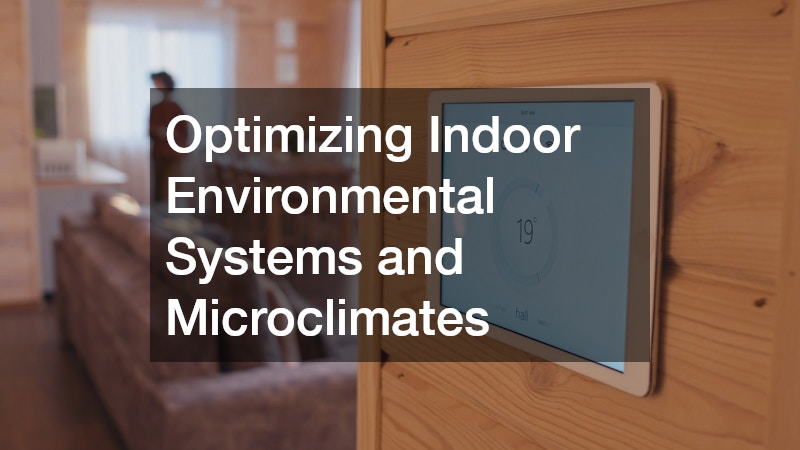
Indoor climate management in a luxury estate goes well beyond maintaining personal comfort. Multi-zone heating, ventilation, and air conditioning networks are designed to stabilize ambient relative humidity and temperature. This balance is critical for preserving fine art collections, custom exotic hardwood flooring, intricate millwork, and extensive wine cellars, all of which react negatively to minor environmental swings.
Implement Rigorous Climate Control Audits for Fine Finishes and Artwork
When climate infrastructure fails, the collateral damage to interior finishes can eclipse the cost of the mechanical equipment itself. Imagine an estate featuring site-finished wide-plank walnut flooring and an imported paneled library. If relative humidity levels spike above fifty-five percent for an extended period, that custom woodwork absorbs airborne moisture, leading to cupping, warping, and finish cracking.
To prevent these conditions, estate owners should form recurring partnerships with specialized HVAC contractors. These technical teams perform seasonal recalibrations of integrated humidifiers, air scrubbers, and variable-refrigerant systems. Routine technical servicing helps maintain internal relative humidity within a tight target range, protecting irreplaceable architectural details and artwork.
Furthermore, mechanical components suffer when forced to operate through restricted airflow. Air filtration systems on commercial-grade residential units require precise monitoring. Estate engineers or facilities teams must replace heavy-duty HEPA and carbon filters every sixty to ninety days, while ensuring balance dampers function correctly across all individual zones. If a zone begins to drift out of set specifications, bringing in an expert for target AC repair instantly protects both system longevity and interior climate integrity.
Upgrade Aging Cooling Infrastructure Before System Failures Occur
Relying on mechanical equipment until it completely breaks down is a high-risk approach for high-value properties. Major air conditioning components generally reach the end of their optimal operating lifecycle after twelve to fifteen years. Operating aging units past this window increases the risk of sudden mid-summer failures and introduces inefficiency into central management systems.
Transitioning to modern cooling infrastructure should be scheduled as a planned capital improvement rather than an emergency response. Scheduling a complete AC installation during off-peak seasons gives property owners time to select ultra-quiet, variable-speed units that integrate smoothly into whole-home automation platforms. Modern, multi-stage compressors continuously fine-tune output, minimizing power spikes, reducing operational noise, and delivering precise climate control throughout every wing of the residence.
Beyond mechanical replacement, integrating smart zoning sensors throughout secondary structures like guest houses, pool cabanas, and detached garages ensures off-season spaces maintain minimal threshold heating and cooling. This continuous baseline regulation prevents isolated dampness, preserves structural framing, and drastically reduces overall annual utility expenditures.
Safeguarding Unseen Utilities and Underground Infrastructure
The long-term value of an estate relies heavily on invisible utility systems hidden behind plaster, under slab foundations, and buried beneath custom landscaping. High-capacity water delivery networks, elaborate spa installations, steam rooms, and expansive irrigation arrays put continuous demand on internal piping and main waste lines. Proactively managing these subterranean and concealed utilities prevents catastrophic water events that could disrupt property operations.
Conduct Annual High-Definition Audits of High-Capacity Plumbing
High-pressure water distribution systems require regular professional oversight to operate safely. High-volume custom showers, automated fixture arrays, and continuous recirculating pumps exert steady hydraulic force on supply piping. Over time, slight changes in municipal water pressure or subtle mineral accumulation can wear down internal valves, pressure-reducing valves, and specialized pipe joints.
Essential steps for managing plumbing and utility integrity include:
- Calibrating whole-home pressure-reducing valves to maintain safe pressure targets between 50 and 65 PSI.
- Auditing smart automatic leak-detection devices and main shut-off valve mechanisms.
- Flushing commercial-grade water heaters annually and re-calibrating continuous recirculation pumps.
- Performing thermal imaging scans on concealed in-wall supply lines to identify micro-leaks early.
Retaining a skilled plumber to perform annual static pressure checks and inspect whole-home backflow preventers helps catch minor leaks long before they damage surrounding construction. Estate management teams should also install commercial-grade smart water shut-off systems. These devices monitor real-time flow dynamics and automatically close main supply valves the moment an abnormal flow pattern is detected, protecting custom interiors from sudden pipe failures.
Water quality treatment infrastructure also demands systematic ongoing care. High-end residences frequently rely on multi-stage filtration, commercial water softeners, and ultraviolet purification arrays to process volume water intake. Neglecting media replacement or salt bridge removal in softeners allows mineral deposits to collect inside luxury fixtures, high-end appliance lines, and specialty radiant floor piping, triggering costly internal scale build-up and early equipment failure.
Proactively Manage Subterranean Waste and Drainage Systems
Underground utilities are frequently overlooked until a main drain backs up or deep soil shifts fracture subterranean piping. Luxury estates often feature mature, expansive tree canopies whose root systems naturally seek out moisture sources. If tree roots enter clay or cast-iron sewer mains beneath paved motor courts or manicured lawns, the resulting blockages can create backed-up lines and severe surface disruption.
- Schedule a high-definition video camera inspection of main sewer and storm drainage lines every two to three years to spot early root intrusion or line sagging.
- Perform routine hydro-jetting on main waste lines running under hardscaped surfaces to clear grease and organic buildup before solid blockages occur.
- Consult with a specialized sewer replacement service if recurring line collapses or structural cracks are detected during video diagnostic passes. Modern trenchless pipe-lining techniques can often rehabilitate damaged underground mains without excavating custom brick driveways, pools, or historical garden features.
Landscape drainage systems demand equal subterranean attention. Retaining walls, terraced gardens, and sub-surface French drains divert heavy rainfall away from deep foundation walls and basement living areas. If perimeter drainage pipes silt up over time, hydrostatic pressure builds up against foundation footings, pushing moisture through micro-cracks into subterranean wine cellars or underground theater suites. Clearing perimeter catch basins annually protects foundation stability.
Upgrading Electrical Safety and Smart Infrastructure
Modern luxury estates operate with energy demands comparable to small commercial buildings. High-amperage service entrances, complex lighting control panels, extensive outdoor security networks, electric vehicle charging banks, and automated pool machinery put continuous load on the electrical infrastructure. Ensuring electrical safety and uninterrupted power supply requires ongoing, highly technical oversight.
Audit High-Load Power Distribution and Backup Generation Systems
Consider a scenario where an estate experiences an unexpected primary power grid failure during a severe summer storm. The automated generator system fires up instantly, taking over the home’s total electrical load. However, if a sub-panel lug was slightly loose, the sudden surge in load can create localized electrical overheating, potentially tripping main breakers or damaging sensitive automation components.
Preventing these hidden electrical hazards requires regular comprehensive equipment evaluations. Property managers should hire a qualified electrician to perform annual infrared thermal scans of all main electrical panels, sub-panels, and transfer switches while the system is operating under normal load. Thermal imaging visually highlights loose terminations, unbalanced circuits, or overloading breakers long before they cause power outages or present safety risks.
Regular electrical infrastructure audits should systematically cover the following procedures:
- Conducting infrared thermal imaging on all main breakers and regional sub-panels.
- Simulating full grid outages to test automatic transfer switch responsiveness under actual load.
- Verifying operational capacity and load balancing on whole-home standby generators.
- Inspecting commercial-grade surge protection devices installed at primary utility entrance points.
In tandem with panel inspections, standby emergency generator systems must undergo consistent testing. Estate management should run generator systems under simulated full load conditions every month to confirm automatic transfer switches trigger properly, battery starters are fully charged, and fuel storage systems remain clean. Keeping high-load power networks properly balanced and backed up protects delicate smart-home processors and maintains continuous property security.
Beyond central distribution panels, exterior architectural lighting and high-voltage pool mechanisms demand routine electrical safety checks. Salt spray, ground moisture, and seasonal freeze cycles degrade sub-grade junction boxes and transformer hubs powering grounds illumination. Replacing worn waterproof gaskets, verifying dedicated ground-fault circuit interrupters, and keeping exterior wiring isolated ensures stable power distribution across all outdoor lifestyle zones.
Strategic Property Upkeep Delivers Enduring Financial and Aesthetic Value
Maintaining a high-end estate for long-term value requires moving away from reactive fixes toward a disciplined, proactive management model. By focusing on critical home components—protecting the outer building shell, balancing indoor climates, managing buried utilities, and auditing power distribution—estate owners guard their properties against subtle deterioration and preserve structural integrity over time.
Establishing a centralized digital maintenance ledger streamlines estate administration across multiple vendor teams. Documenting every roof survey, HVAC recalibration, plumbing scope, and electrical panel scan creates a verifiable history of property care. This transparent record provides full operational clarity for current estate staff, facilitates smooth transitions during management changes, and gives future owners complete confidence in the home’s structural health.
Beyond safeguarding architectural finishes and personal physical safety, disciplined maintenance pays distinct financial dividends. An estate backed by detailed, professional maintenance records naturally commands a premium during market evaluations. Prospective buyers and financial institutions recognize the distinct value of a property that has been managed with institutional care. Implementing a clear, forward-looking maintenance plan secures the property’s reputation, protects capital equity, and ensures the home remains a source of comfort and value for generations to come.