
First impressions matter. The exterior of your home is not just a facade or a protective shell; it introduces your personal style and influences your property’s value. Traditional residential architecture once favored ornate trims, complex rooflines, and high-maintenance gardens. Today, homeowners are inspired by mid-century modern, industrial, and Scandinavian designs that focus on clean lines, sustainable materials, and the indoor-outdoor connection. A modern exterior goes beyond superficial updates, emphasizing structural harmony, geometric balance, and intentional landscaping. A successful renovation highlights the beauty of materials and forms.
Ditching Traditional Siding for Geometric Simplicity
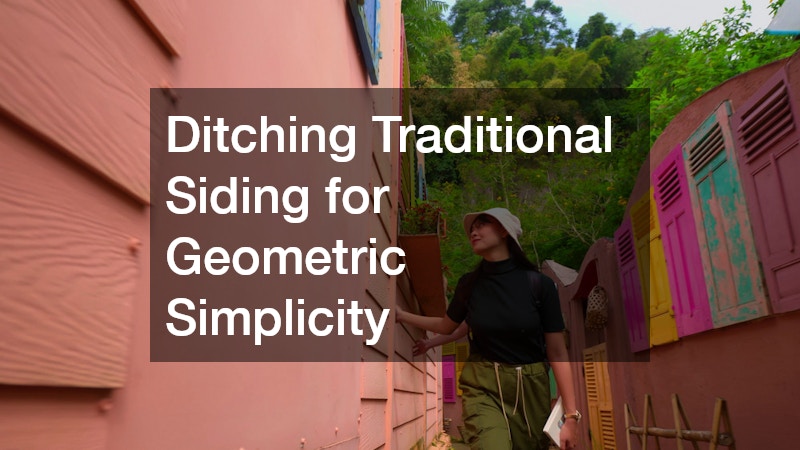
The cornerstone of modern exterior design is geometric simplicity. Unlike traditional styles that use decorative moldings for visual interest, modern aesthetics focus on the raw shapes of the structure. Achieving this style requires evaluating your home’s surfaces, textures, and pathways to the front door.
To give your home a distinct contemporary edge, you must rethink your siding strategy. Modern design thrives on asymmetry and the strategic mixing of contrasting materials. Consider replacing standard horizontal vinyl siding with large-format fiber cement panels or vertical cedar planks.
- Embrace the Monochromatic Palette: Modern homes look exceptionally striking when wrapped in high-contrast color schemes. Matte black, deep charcoal gray, and crisp white are excellent choices.
- Incorporate Flat or Low-Pitch Elements: If you are undertaking a major structural remodel, altering the roofline to include flat overhangs or a single-slope shed roof can instantly modernize the silhouette.
- Focus on Joint Details: When installing panels, ensure the gaps and joints are perfectly aligned. The clean grid pattern created by these panels forms a subtle, sophisticated texture on an otherwise minimalist wall.
Upgrading Driveways and Walkways for a Sleek Entry
Your driveway and front walkway represent the physical transition from the public world to your private sanctuary. Cracked, poured asphalt or traditional red brick pavers can quickly undermine a modern home design. To establish a sense of modern luxury right from the curb, you should opt for smooth, oversized surfaces.
- Poured-in-Place Concrete Grids: Instead of a solid, continuous slab of concrete, modern designers favor large rectangular concrete pads separated by uniform gaps. These gaps can be filled with vibrant green turf or dark river stones to create an eye-catching linear pattern.
- Large-Format Pavers: If you prefer individual stones, select oversized, smooth-faced concrete pavers in cool grey tones. Laying them in a linear stack-bond pattern, rather than a traditional staggered running bond, reinforces the contemporary geometric theme.
- Hidden Drainage Solutions: Ensure that your modern walkways incorporate integrated, hidden slot drains rather than conspicuous grated drains, keeping the ground plane completely uncluttered.
To pull off these structural masonry updates flawlessly, it is crucial to collaborate with skilled concrete contractors who understand how to achieve crisp, sharp edges and perfectly level finishes. Furthermore, hiring a reputable paving company will guarantee that your oversized driveway grids are engineered correctly to handle vehicle weight without settling or cracking over time.
Designing with “Less is More” Plant Selection
A common misconception about modern exterior design is that it requires a sterile, paved landscape devoid of nature. In reality, modern landscaping is vibrant, emphasizing structure, intention, and sustainable choices. The goal is to view your yard as an outdoor architectural room.
When selecting vegetation, the modern philosophy dictates that you choose plants for their form, texture, and structural integrity rather than just their blossoms. You want plants that maintain their shape throughout the seasons and do not require constant deadheading.
- Architectural Grasses and Succulents: Soft, flowing ornamental grasses like blue oat grass or structural succulents like agave provide excellent contrast against rigid concrete walls.
- Mass Planting Techniques: Instead of planting a dozen different varieties of flowers in a single bed, choose just two or three species and plant them in massive, dense groupings. A long, uniform row of horsetail reed or boxwood hedges creates a powerful, clean visual statement that echoes the lines of your home.
- Subtle Color Pops: Keep the color palette restricted. Focus primarily on varied shades of green, using deep purples or bright whites very sparingly as intentional focal points.
Balancing Hardscaping with Healthy Canopy Growth

While hardscaping defines the layout of a modern yard, mature trees provide the essential vertical scale and organic contrast needed to soften the stark lines of the architecture. However, an overgrown, unkempt tree can quickly disrupt the clean sightlines of a contemporary home.
- Strategic Frame Positioning: Plant or maintain trees in positions where they frame the view of your house rather than blocking it entirely. Japanese maples, birch trees, and certain types of palm trees are favored in modern design for their artistic trunk structures and airy leaf canopies.
- Elevated Canopy Pruning: Keep the lower branches of your mature trees neatly pruned. Raising the canopy opens up the space underneath, allowing light to pass through and maintaining a clear view of your minimalist ground cover or hardscaping.
- Root Protection Zones: When installing new concrete pathways or patios, ensure you leave adequate, unpaved space around the base of existing trees to safeguard their health and prevent the roots from buckling your new hardscaping.
Achieving this delicate balance between architectural precision and organic growth requires specialized expertise. Engaging professional landscape design services ensures that your plant selection and hardscape layouts flow together intuitively. Additionally, utilizing a local tree service will help you properly assess, prune, and care for your mature trees so they complement your modern aesthetic safely and beautifully.
Designing Flush-Threshold Transitions
One of the defining characteristics of modern residential architecture is the dissolution of the boundary between the interior of the home and the surrounding landscape. Modern homes are designed to expand outward, treating backyards, decks, and patios as natural continuations of the main living spaces.
To create a true indoor-outdoor flow, the transition between your indoor living room and your outdoor lounge should be as seamless and frictionless as possible. Any physical or visual barrier breaks the illusion of continuity.
- Floor-to-Ceiling Glass Walls: Replace traditional rear exterior walls with expansive, floor-to-ceiling sliding or bi-fold glass doors. When fully retracted, these systems eliminate the wall entirely, opening your home directly to the fresh air.
- Flush Threshold Flooring: Ensure the track of your sliding door is recessed directly into the floor so that the indoor flooring sits at the exact same height as the outdoor surface. This eliminates tripping hazards and allows the eye to slide effortlessly from the inside out.
- Color and Material Matching: Select an outdoor decking material or tile that closely mimics the color and texture of your interior flooring. For example, matching interior light oak floors with a similar shade of composite exterior decking tricks the mind into viewing the two areas as a single large room.
Zoning the Backyard for Contemporary Functionality
Once you step outside, the layout should feel highly organized and functional, with distinct zones dedicated to cooking, lounging, and dining. Modern backyards avoid cluttered, standalone furniture sets in favor of integrated, architectural elements.
- Low-Profile, Multi-Level Decks: Instead of a high, railed deck that cuts off the yard, design a low-profile deck that sits flush with the lawn. If your yard slopes, use multi-level platforms with wide, shallow steps that double as casual seating areas.
- Built-In Minimalist Features: Incorporate built-in elements made from concrete or treated wood, such as linear fire pits, long bench seating, and outdoor kitchens with hidden cabinetry and flush-mounted grills.
- Negative Space: Leave plenty of open space between your functional zones. Empty space is just as important in modern design as the functional pieces themselves, as it creates an atmosphere of calm and breathability.
Executing this sophisticated level of structural integration requires specialized craftsmanship. You will want to commission a custom glass service to manufacture and install the massive, energy-efficient glass panels necessary for the walls. To construct the underlying architectural platforms and built-in amenities safely, partnering with experienced patio builders is essential to ensure the structural longevity of your new outdoor oasis.
Integrating Sleek, All-Weather Enclosures
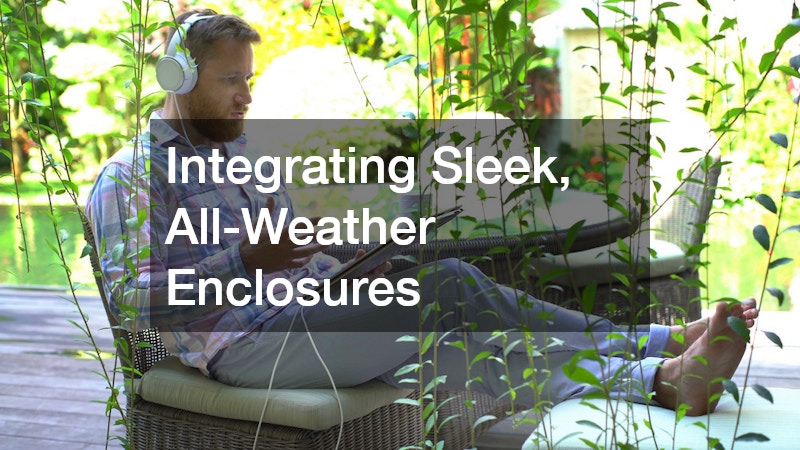
A beautiful modern outdoor space is truly successful when it is comfortable enough for regular use. Since modern design emphasizes open spaces, large windows, and clean lines, it’s important to protect your outdoor living areas from harsh weather and insects with innovative solutions that maintain the architectural integrity.
Enjoying your outdoor living room shouldn’t be limited by intense midday sun or seasonal pests. Traditional screen enclosures often feature thick, cumbersome frames that disrupt your views, but modern engineering offers much sleeker alternatives.
- Ultra-Thin Frame Profiles: Opt for custom enclosures designed with minimal, low-profile frames. Anodized aluminum or matte black frames look incredibly sharp and blend perfectly with modern window mullions.
- Motorized Retractable Screens: For the ultimate modern luxury, install motorized screens that roll up completely out of sight into hidden ceiling recesses when not in use. This allows you to have a fully open patio during perfect weather and a protected sanctuary at the touch of a button.
- High-Clarity Screen Materials: Use specialized, high-transparency screening material that keeps bugs out but remains virtually invisible from a distance, preserving your panoramic views of the landscape.
Preserving the Health of Structural Shade Elements
While architectural enclosures provide immediate comfort, natural shade from mature trees is irreplaceable. However, constructing new patios and decks in close proximity to large trees requires a proactive approach to tree health to ensure safety and prevent structural damage in the future.
- Pre-Construction Root Mapping: Before digging foundations for a patio or setting footings for an enclosure, map out the critical root zones of your nearby trees to ensure you do not sever major structural roots.
- Weight and Clearance Maintenance: Large branches hanging directly over expensive custom glass or screen structures must be monitored closely. Regular structural pruning reduces the risk of storm damage from falling limbs.
- Soil Aeration and Protection: Heavy construction equipment can severely compact the soil around your trees, suffocating their roots. Implement protective barriers during construction to keep the soil loose and healthy.
To achieve this blend of comfort and natural preservation, you should integrate a modern patio screen enclosure into your backyard blueprint to protect your lounge spaces from the elements. To safeguard the invaluable natural canopy overhead, it is wise to consult a certified arborist who can evaluate your trees and provide professional guidance on how to safely build your modern structures around them without harming the local ecosystem.
Selecting Clean-Lined Privacy Barriers
The final layer of building a modern exterior involves defining the boundaries of your property and planning how the home behaves after sunset. Modern design addresses these two aspects with the same restraint and focus on clean lines that define the rest of the architecture.
Traditional perimeter fencing often feels heavy, dates quickly, and isolates a home from its surroundings in an aggressive way. Modern fencing, however, serves as a beautiful architectural backdrop that enhances the property while still providing necessary security and privacy.
- Horizontal Slatted Designs: Rather than vertical pickets, modern fences utilize horizontal slats. This draws the eye sideways, making your yard feel wider and more expansive.
- Mixed Material Fencing: Combine stained natural wood slats with a matte black metal or dark concrete framework. This echo of industrial materials brings a high-end, architectural feel to the perimeter of your lot.
- Living Privacy Screen Hybrid: If you prefer a softer boundary, combine a simple metal mesh fence with a tightly planted row of columnar trees or tall bamboo, creating a living wall that provides privacy while remaining beautifully green.
Layering Exterior Architectural Lighting
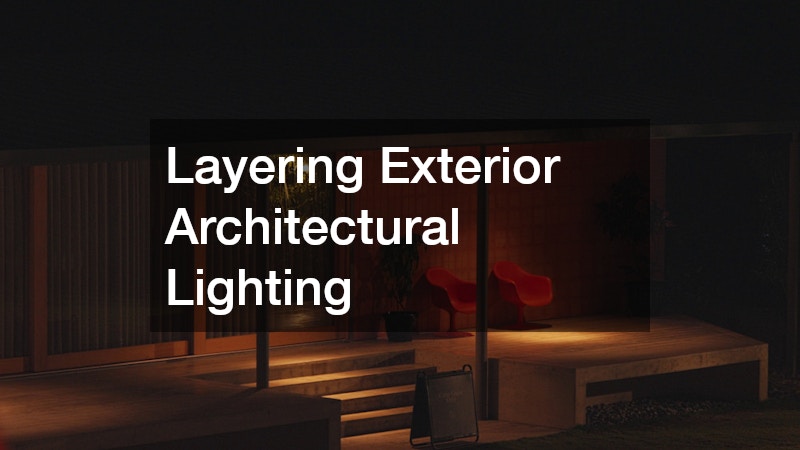
Once darkness falls, your modern home should undergo a dramatic transformation. Traditional exterior lighting often uses bright floodlights that lessen architectural details. Modern lighting design emphasizes subtlety, with hidden light sources creating warmth and highlighting the home’s geometry.
- Low-Voltage LED Lighting: Utilize energy-efficient, low-voltage fixtures with a warm color temperature. Avoid cold white light, which can make modern materials look sterile and uninviting.
- Linear and Hidden Light Sources: Conceal LED strip lighting under the lips of stair treads, beneath the edges of retaining walls, and under built-in benches. This creates a stunning floating effect and illuminates pathways safely without any visible bulbs.
- Dramatic Up-Lighting on Textures: Place directional well-lights at the base of textured walls or structural plants. Shouting light upward emphasizes the unique textures of fiber cement panels, stone veneer, or the delicate leaves of a Japanese maple.
To bring these final touches to fruition, hiring specialized fence services will ensure your horizontal perimeter lines are perfectly straight, level, and built to withstand weathering. Finally, to handle the complex low-voltage layouts and ensure your sophisticated lighting design is wired safely and seamlessly, you should employ licensed residential electricians to execute the plan.
Building a home exterior with modern aesthetics involves intentionality, restraint, and precision. By focusing on strong, geometric lines, choosing a minimalist landscape, and creating a seamless connection between your indoor and outdoor spaces, you can transform your property into a striking contemporary haven. While the modern philosophy champions simplicity, executing these clean lines requires careful planning and skilled craftsmanship. Whether you choose to overhaul your entire facade or start by updating your walkways and lighting, this approach will ensure your home remains a beautiful, functional, and timeless sanctuary for years to come.