
Upgrading your home’s HVAC system is more than just a routine home improvement project—it is an investment in comfort, efficiency, and long-term savings. Many homeowners overlook the benefits of replacing outdated systems, often tolerating inconsistent temperatures, high energy bills, and frequent repairs. A modern HVAC system can transform your living environment, offering better climate control, improved air quality, and enhanced energy efficiency. Understanding these benefits can help you make an informed decision about whether it’s time for an upgrade.
Energy Efficiency Improvements
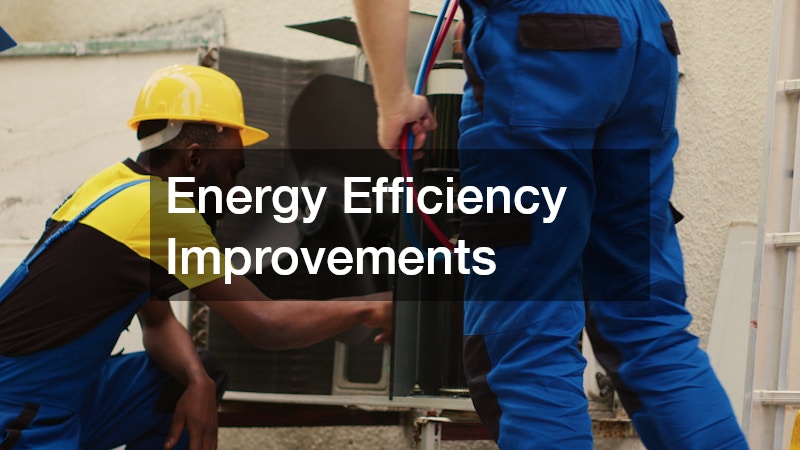
A new HVAC system is designed to operate far more efficiently than older models. Modern heating and cooling systems use advanced technology to consume less energy while providing consistent temperatures. Older units may have worn-out components, clogged ducts, or outdated thermostats, all of which contribute to energy waste and higher utility costs. By installing a new system, homeowners can reduce their energy consumption, translating directly into lower monthly bills and more environmentally responsible living.
Many modern systems include energy-saving features, such as programmable thermostats, variable-speed motors, and high-efficiency compressors. These allow the system to adjust performance based on your home’s needs, preventing unnecessary energy use. Additionally, professional installation by a reliable HVAC company ensures the system is properly sized and optimized, which prevents overworking the unit and maximizes efficiency. Homeowners can also pair their new HVAC system with insulation upgrades and energy-efficient windows to further reduce energy use and enhance comfort.
Healthier Indoor Air
Air quality is a critical aspect of comfort and health within the home. Older HVAC systems can collect dust, pollen, mold, and other allergens, circulating them throughout your living spaces. A new system, especially one with advanced filtration or UV light technology, can greatly improve indoor air quality. Cleaner air reduces allergy symptoms, asthma triggers, and general respiratory issues, providing a healthier living environment for all family members.
Modern units often include features to control humidity, which helps prevent mold and mildew growth, particularly in areas with high moisture. Partnering with a professional heating and cooling service ensures your system is regularly maintained, keeping filters clean and air pathways clear. For families with young children, elderly residents, or those with respiratory conditions, upgrading to a system with HEPA filters or UV purification can significantly improve overall health and quality of life. Improved air quality can also reduce lingering odors and keep carpets, furniture, and curtains cleaner over time.
Consistent Temperature Throughout the Home
Consistent temperature regulation is one of the most noticeable benefits of a new HVAC system. Many older systems fail to evenly heat or cool the home, leaving certain rooms too hot or cold. Modern units use advanced sensors, zoned systems, and precise ductwork designs to provide uniform comfort throughout the entire home, eliminating drafts and temperature swings.
With smart thermostats and home automation integration, homeowners can schedule temperature adjustments to match daily routines, saving energy while maintaining comfort. Consulting experienced HVAC contractors ensures that your system is properly calibrated, preventing common issues such as uneven airflow, frequent cycling, or short cycling that reduce efficiency and comfort. In multi-story homes, zoning systems allow upper and lower floors to operate independently, which can solve common problems like hot upstairs bedrooms or chilly basements without wasting energy.
Lower Maintenance and Repair Needs
Older HVAC systems require frequent repairs and ongoing maintenance to remain functional. Components such as fans, compressors, and coils are prone to wear, often resulting in unexpected breakdowns. Investing in a new system reduces these recurring costs and minimizes the inconvenience of emergency repairs. For homeowners, fewer service calls mean less disruption to daily life and more predictable maintenance schedules.
Newer systems are engineered for durability and reliability. Advanced diagnostics and self-monitoring capabilities allow for early detection of minor issues before they escalate. Engaging a certified HVAC contractor for installation guarantees proper setup and ensures that all components are correctly aligned, minimizing the need for premature repairs and extending the lifespan of your unit. Many modern systems also feature easily accessible components, simplifying routine maintenance tasks such as filter changes, which can be completed without costly service visits.
Reduced Energy Bills
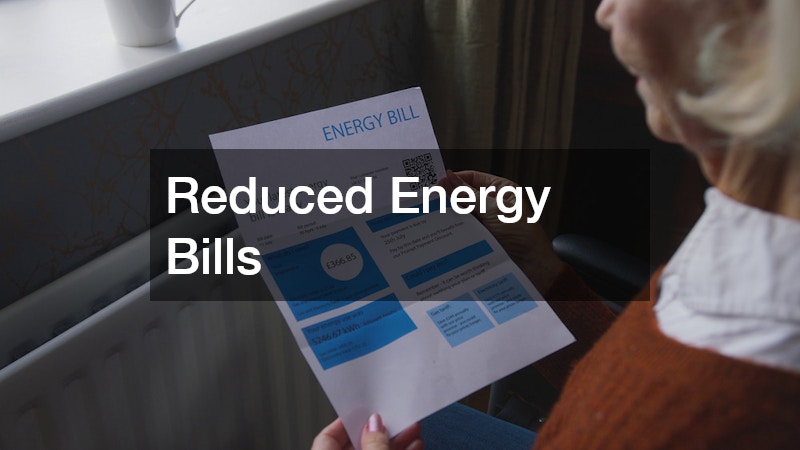
Replacing an outdated system can result in noticeable savings on energy bills. Older units generally consume more electricity or gas while delivering inconsistent heating or cooling. Modern systems are designed for high efficiency, operating optimally even in extreme weather conditions while using less energy overall. A home that was previously losing heat through leaky ducts or inefficient air handling can realize even more significant savings after a professional installation.
Over time, these energy savings often offset the initial cost of a new system. Working with a professional hvac installer allows you to choose a unit properly sized for your home’s specific heating and cooling needs, ensuring maximum efficiency and optimal performance. Homeowners who pair their new HVAC systems with energy-smart thermostats or home energy monitoring systems can track their consumption, identify patterns, and make adjustments that further reduce costs.
Environmentally Friendly Operation
Installing a new HVAC system also has environmental benefits. Older systems often use outdated refrigerants that can harm the ozone layer and produce higher greenhouse gas emissions. Modern systems employ eco-friendly refrigerants and energy-efficient technology to reduce environmental impact. Homeowners who upgrade to high-efficiency systems contribute to reducing their household carbon footprint while enjoying long-term financial benefits.
By lowering energy consumption and reducing harmful emissions, a modern HVAC system helps homeowners contribute to sustainability efforts. A knowledgeable HVAC services provider ensures that your new system is compliant with current environmental regulations and operates as efficiently as possible, supporting both comfort and responsible resource use. For environmentally conscious homeowners, some modern units can even integrate with solar power systems to further minimize energy dependence from the grid.
Enhanced Home Comfort
Comfort is a primary consideration when upgrading an HVAC system. Modern units offer quieter operation, precise temperature control, and balanced airflow, creating a more comfortable living environment. Older systems often generate disruptive noise, uneven heating, or cold drafts, but a new system resolves these issues. Improved airflow and temperature consistency reduce the likelihood of hot or cold spots in your home, making living spaces more inviting.
Advanced features like programmable thermostats and zoned heating/cooling allow homeowners to customize comfort for different rooms or activities. Collaborating with a local HVAC contractor guarantees that your installation is optimized for your home’s layout, improving overall comfort while avoiding energy waste. Enhanced comfort also extends to humidity control, which prevents the air from feeling overly dry or clammy during seasonal changes.
Increased Home Value
A new HVAC system can significantly enhance your home’s resale value. Prospective buyers often see energy-efficient, modern systems as a major advantage, especially if they are backed by warranties or maintenance plans. Upgrading demonstrates that the property has been well-maintained and that future owners will benefit from lower energy costs. Real estate experts often advise that HVAC replacement is one of the most effective ways to increase marketability without extensive remodeling.
Homeowners preparing to sell can work with an experienced HVAC company to select a system that meets current efficiency standards and appeals to buyers. This investment can make your home more competitive in the real estate market and offer a return on investment beyond personal comfort. Additionally, detailed documentation of service, installation, and warranties reassures buyers of a well-maintained system.
Improved Safety and Reliability
Safety is a crucial benefit of replacing an aging HVAC system. Older equipment may present risks such as gas leaks, electrical issues, or fire hazards. Modern units incorporate safety features like automatic shutoff mechanisms, advanced sensors, and improved insulation to prevent accidents. Upgrading your system can mitigate these risks, especially in older homes with aging wiring or gas lines.
Reliable operation minimizes the risk of emergency breakdowns, ensuring the home remains safe and comfortable. By hiring a professional air conditioning services provider, homeowners can be confident that their new system meets industry safety standards and is installed correctly. Many modern systems also include alerts or automatic diagnostics to notify homeowners of potential safety issues before they escalate.
Integration with Smart Technology
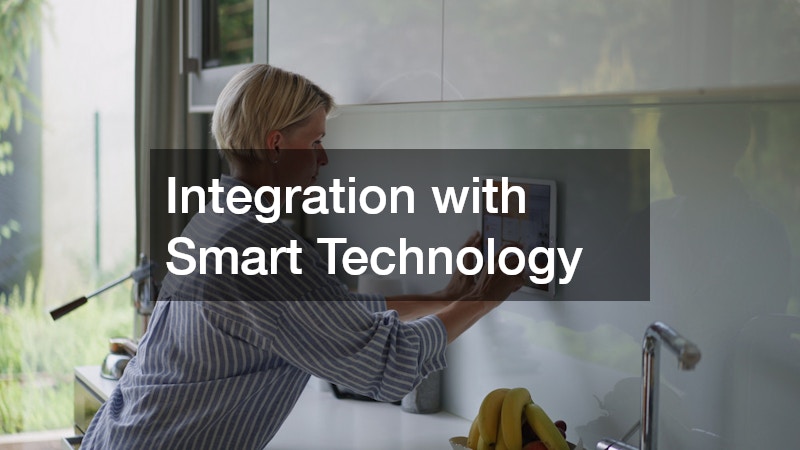
Modern HVAC systems often support smart home technology, allowing homeowners to monitor and adjust their systems remotely. Smart thermostats, mobile applications, and voice controls enable precise temperature adjustments, energy tracking, and automated scheduling. Some systems can even learn your preferences over time, optimizing comfort and efficiency automatically.
This integration also supports predictive maintenance, alerting homeowners to potential issues before they escalate. Working with a certified HVAC company ensures compatibility with smart home devices and guarantees optimal system configuration for seamless operation. Integration with smart home technology also allows you to link your HVAC system with energy management platforms for cost and efficiency tracking.
Longevity and Durability
A new HVAC system offers superior longevity and durability. Older units are prone to frequent breakdowns due to worn parts and declining efficiency. Modern systems use high-quality components and engineering innovations to deliver consistent performance over many years. Investing in a reliable system can delay the need for another replacement by 10–15 years, saving money and avoiding repeated disruptions.
Routine maintenance, combined with professional installation by an experienced HVAC contractor, maximizes the lifespan of your system. Homeowners can enjoy reliable heating and cooling for decades while minimizing repair needs and replacement costs. In addition, modern units are designed with corrosion-resistant materials and optimized ductwork, ensuring performance in varying climates.
Better Humidity Management
Effective humidity control enhances both comfort and home safety. Excess moisture can lead to mold growth, furniture damage, and unpleasant odors, while overly dry air can irritate skin and respiratory passages. Modern HVAC systems often include built-in humidifiers or dehumidifiers for precise control. Some units can also automatically adjust humidity based on temperature and weather conditions.
Professional installation by a skilled hvac installer ensures that your home maintains optimal humidity levels, creating a healthier and more comfortable environment year-round. Maintaining proper humidity also protects wooden furniture, flooring, and electronics from long-term damage, preserving your home’s value.
Zoning Capabilities for Efficiency
Zoned systems allow homeowners to independently control temperatures in different areas of their home. This flexibility improves comfort and reduces energy use by conditioning only the spaces that are in use. Families with multiple bedrooms or large living spaces benefit significantly from zoning, as each area can be customized for specific needs.
Installing a zoned system requires expertise, making professional HVAC services essential to ensure each zone functions properly. Properly configured zones enhance comfort, efficiency, and overall system performance. Zoned systems also allow for seasonal adjustments in specific areas, optimizing energy use and reducing strain on the overall system.
Quieter Operation
Older HVAC systems can produce disruptive noise due to worn components or inefficient airflow. Modern systems feature variable-speed fans, sound insulation, and precision engineering, resulting in quieter operation. Noise reduction contributes to improved sleep quality and more peaceful living environments.
A quiet system improves home comfort without constant mechanical noise. Collaborating with a local HVAC contractor guarantees proper installation, which reduces the risk of vibrations and noise problems. Homeowners can also take advantage of sound-dampening ductwork and acoustically engineered equipment for maximum quiet performance.
Customizable Options
Modern HVAC systems offer customization for unique home layouts and climate needs. Options range from ductless mini-splits to high-capacity central air systems, with varying features such as filtration, air purification, and smart controls. Homeowners can also select eco-friendly units, multi-stage compressors, and specialized dehumidification options for a tailored system.
Consulting an experienced air conditioning services provider ensures the system meets your specific requirements, delivering comfort and energy efficiency tailored to your home. Customization can also extend to air purification systems that target allergens, VOCs, and pet dander, ensuring optimal indoor health.
Year-Round Comfort

A new HVAC system provides consistent comfort in every season. Advanced technology allows for rapid temperature adjustments, keeping your home stable during extreme weather conditions. Modern systems also include automated fan speed adjustments, humidity control, and energy-efficient defrost cycles in heat pumps, ensuring comfort is never compromised.
Professional installation by a certified HVAC company ensures the system is balanced and optimized, delivering reliable, year-round comfort. Seasonal maintenance and system checks further ensure consistent performance and efficiency.
Whether your goal is lower energy bills, healthier indoor air, or a more consistent living environment, upgrading to a new HVAC system is a smart, long-term decision. Professional installation by certified contractors ensures your system performs optimally, providing comfort and peace of mind for years to come. With careful planning, routine maintenance, and expert installation, homeowners can fully enjoy the transformative benefits of a modern HVAC system.