Think about the last truly relaxing day spent at home. Maybe it involved a lounge chair in the shade of a mature canopy, bare feet on a cool stone patio, and a swim in clear water as the sun dipped low. Maybe it ended with a long, hot shower that never ran cold. Those simple comforts feel effortless in the moment, yet each one depends on careful planning, skilled installation, and steady upkeep behind the scenes that most guests never notice.
Creating more days like that means looking at the property as a whole. Healthy canopies provide shade without threatening the shell, while sturdy patios and thoughtful plantings define comfortable outdoor rooms. A well-built swim area becomes the centerpiece of summer. At the same time, the house itself must stay protected, with sound shingles, clear drainage channels, a reliable overhead entry, and framing free of hidden insects. Inside, dependable hot water rounds out the experience. When all of these pieces are in place, the home supports both relaxing weekends and worry-free weekdays.
Mature Canopies That Need a Yearly Checkup
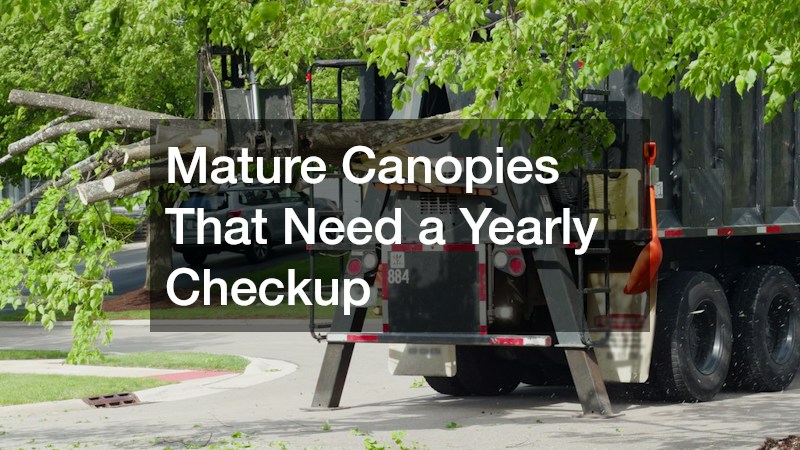
Large, mature specimens add tremendous value and comfort to a property, but they also change over time. Branches grow heavier, decay can develop at old wounds, roots may be damaged by construction or compaction, and insects or diseases can weaken the structure. Because many of these changes happen slowly or out of sight, a canopy can appear healthy from the ground while developing serious problems that only a trained eye will spot.
A dependable tree service offers yearly checkups that catch issues early. Certified arborists inspect the crown, trunk, root flare, and surrounding soil, looking for dead limbs, cracks, cavities, fungal growth, and signs of insect activity. They recommend pruning, cabling, soil care, or treatments based on what they find, and they document changes from year to year. Removal is recommended only when a specimen cannot be safely retained, and replacement plantings are suggested to keep the yard shaded for the future. Deep-root fertilization, mulch rings, and soil aeration help stressed specimens recover from drought and construction damage.
Clearing Limbs From Shingles and Sightlines
Branches that grow over the house can scrape shingles, drop leaves into drainage channels, and give squirrels and raccoons a direct path to the eaves. Low limbs block views from windows and the street, making the property feel closed in and less secure. Overgrown canopies also cast heavy shade on patios and lawns, keeping surfaces damp and encouraging moss and mildew.
Professional tree trimming companies clear limbs away from the shell and open sightlines while keeping specimens healthy. Branches over the house are shortened back to strong laterals to maintain clearance, and low limbs are raised over walkways, driveways, and patios. Crowded crowns are thinned to let light through, and all cuts are made just outside the branch collar to promote proper healing. Debris is chipped and hauled away, leaving the yard clean and the canopy balanced. Most crews recommend revisiting overhanging limbs every few years, since branches near the house regrow faster than many owners expect.
Hidden Damage Inside Sill Plates and Joists
Subterranean termites often attack the lowest wooden members of a house first, including sill plates, rim joists, and floor joists near the foundation. They travel up from the soil through mud tubes and feed from the inside out, leaving the surface of the wood intact while hollowing the interior. Damage may go unnoticed for years until floors feel soft, trim crumbles, or swarmers emerge indoors in spring.
A knowledgeable local termite inspection specialist examines the foundation, crawlspace, basement, and attached spaces, probing sill plates and joists and using moisture meters to locate hidden activity and conducive conditions. Mud tubes, frass, discarded wings, and damaged wood are documented in a detailed report, along with recommendations such as liquid soil treatments, bait stations, moisture correction, and structural repairs. Annual inspections provide ongoing protection and are often required for real estate transactions and warranty renewals. Correcting leaks, improving crawlspace ventilation, and pulling mulch away from the siding make the house far less attractive to colonies.
Custom Swim Areas Built Into the Slope

Sloped yards can seem like an obstacle to building a swim area, but with the right design they create dramatic opportunities, such as vanishing edges, raised spas, and terraced decks with sweeping views. Without proper engineering, however, slopes can lead to settling, cracking, drainage problems, and structural failure. Soil conditions, groundwater, and the enormous weight of water must all be accounted for in the design long before excavation begins.
Experienced pool builders begin with soil testing and a structural engineering review, designing deep footings, piers, or retaining walls as needed to support the basin on sloped sites. The shell is reinforced with a dense grid of steel rebar, often heavier on the downhill side, and gunite or shotcrete is applied to a consistent thickness and cured carefully. Drainage systems relieve hydrostatic pressure behind walls, and features such as spillways, catch basins, and integrated lighting are planned from the start. Variable-speed pumps, automated chemistry, and LED lighting keep the water clear and operating costs manageable once the work is complete.
Patios and Seat Walls Set on Compacted Stone
Patios, walkways, and seat walls create the framework of outdoor living, but they are only as durable as their foundations. Pavers set on thin or loose bases settle and heave, creating uneven surfaces and trip hazards, while walls built without proper footings or drainage lean and crack. Water that cannot drain away from these surfaces causes erosion and freeze-thaw damage over time, and weeds quickly take root in open, unstable joints.
Quality hardscape installation begins with excavating to the proper depth and installing geotextile fabric to separate the base from native soil. Crushed stone is placed and compacted in lifts, typically six inches or more for patios, followed by a screeded bedding layer. Pavers or natural stone are set in a pattern suited to the load, edge restraints hold the field in place, and polymeric sand locks the joints. Seat walls are built on compacted footings with drainage behind them and finished with comfortable caps. Low-voltage lights tucked beneath the caps make steps and edges visible after sunset and add a warm glow to evening gatherings.
Planting Plans That Frame Every Outdoor Room
Outdoor rooms feel complete when plantings frame them, providing privacy, shade, color, and texture. Without a plan, plantings are often placed randomly, blocking views, crowding patios, or leaving areas exposed and bare. Plants chosen without regard for sun, soil, or mature size struggle, require constant pruning, or outgrow their spaces, adding to maintenance rather than reducing it and costing more to replace over time.
Talented landscape designers create planting plans that frame each outdoor room with purpose. Evergreen screens provide year-round privacy around patios and swim areas, flowering shrubs and perennials add seasonal color, and shade-tolerant plants soften areas beneath canopies. Plants are selected for the site’s conditions and mature size, and layered arrangements create depth and interest. Drip irrigation, mulch, and well-defined bed edges make the plantings easier to maintain while keeping the entire yard cohesive. Native and pollinator-friendly plants add movement and life while requiring less water once established.
Loose Tabs and Cracked Boots After a Storm

Storms often leave behind small but important damage on the shell. High winds lift shingle tabs and break their adhesive seals, leaving them vulnerable to tearing in the next storm. Rubber pipe boots around vent stacks crack from sun exposure and may split further under wind and debris. These small openings let water reach the underlayment and decking, eventually causing leaks, rot, and stained ceilings, sometimes weeks after the storm has passed.
A trusted local roofer inspects the shell after major storms, looking for lifted or missing shingles, cracked pipe boots, damaged flashing, and debris impacts. Lifted tabs are resealed with roofing cement, damaged shingles are replaced with matching material, and cracked boots are swapped for durable silicone or lead models. Flashing at walls, chimneys, and skylights is checked and resealed as needed. Photos and written reports support insurance claims, and an attic inspection confirms that no water has made its way inside. When storm damage is widespread, a full replacement with impact-resistant shingles may be recommended.
Overflowing Troughs That Soak the Foundation
Troughs along the eaves catch thousands of gallons of runoff each year, but when they clog or are undersized, that water spills over the edge and lands directly against the foundation. Saturated soil creates hydrostatic pressure that pushes water through cracks into basements and crawlspaces, encouraging mold, rot, and insect activity. Overflow also erodes beds, stains siding, damages walkways, and creates icy patches near entries in winter.
Reputable gutter companies begin by assessing the size, pitch, and condition of the existing system. Clogged troughs are cleaned and flushed, and sagging sections are rehung with concealed hangers fastened into rafter tails. Undersized or leaky sectional runs are replaced with seamless aluminum sized for the roof area and rainfall intensity, and additional downspouts are added where needed. Extensions or underground drains carry water away from the foundation, and mesh guards help prevent future clogs. Rotted fascia behind the troughs is replaced so new hangers have solid wood to grip.
A Smoother, Safer Ride for the Overhead Panel
The overhead panel is often the most-used entry to the house, cycling several times a day. Over time, springs lose tension, cables fray, rollers wear, and tracks loosen or bend. These problems cause jerky, noisy operation and put strain on the opener. A broken spring or snapped cable can cause the panel to drop suddenly, posing a serious safety hazard to people, pets, and vehicles below, and it often happens without much warning.
A reliable garage door company inspects springs, cables, drums, rollers, hinges, and tracks, then makes adjustments and replacements to restore smooth, safe operation. Springs are replaced in matched pairs sized to the panel’s weight, frayed cables are swapped, and worn rollers are upgraded to sealed-bearing nylon. Tracks are aligned and secured, and the opener’s force and travel settings are calibrated. Safety sensors and auto-reverse features are tested, and lubrication of moving parts keeps the system running quietly. Annual tune-ups catch worn parts before they fail and extend the life of both the panel and the opener.
Endless Showers and Lower Energy Bills

Traditional storage tanks keep dozens of gallons of water hot around the clock, losing heat even when no one is using it. Large households and back-to-back showers can drain the tank quickly, leaving the last person with lukewarm water. Sediment buildup reduces capacity and efficiency over time, and older tanks eventually corrode and leak, sometimes causing significant water damage.
Modern water heaters offer better options for both comfort and efficiency. Tankless units heat water on demand, delivering an endless supply when properly sized for peak flow and temperature rise, while heat pump models use a fraction of the electricity of standard electric tanks. High-efficiency gas tanks with improved insulation reduce standby losses. Installation includes proper venting, gas line sizing or electrical upgrades, expansion tanks, and isolation valves for maintenance, ensuring reliable hot water for years to come. Annual flushing and anode checks on tank models, and descaling on tankless units, protect the investment.
A property that offers shade overhead, stone underfoot, and hot water inside comes from thoughtful planning and steady care. Healthy canopies and regular pruning keep the yard comfortable and the shell protected, while well-built patios, seat walls, and plantings create inviting outdoor rooms. A properly engineered swim area brings the backyard to life.
Behind the scenes, regular inspections for wood-destroying insects, prompt storm repairs, effective drainage, a smooth-running overhead entry, and efficient hot water keep the home safe and comfortable. Planning projects in the right order, starting with structural protection and drainage before moving on to outdoor living features, ensures that each investment lasts and performs as expected. Scheduling outdoor construction for spring and fall gives concrete, stone, and new plantings the best conditions to cure and establish, while equipment service before peak seasons avoids emergency calls.
With these elements in place, every day at home can feel a little more like the most relaxing ones. The yard invites people outside, the house stays sound and dry, and the comforts inside are always ready, making the property a true retreat in every season.